







Search Results for: Kevin Johnson
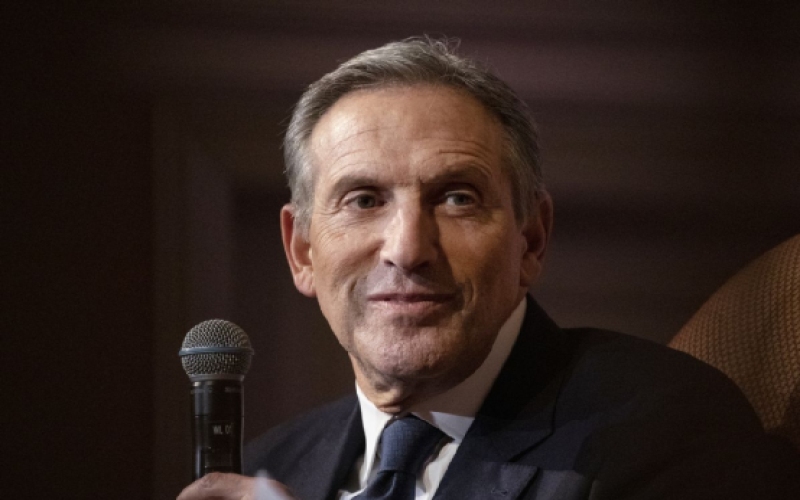
Starbucks CEO Kevin Johnson Retires, Howard Schultz Steps In Again to Take the Helm in a Time of Crisis
Starbucks recently announced a high-level personnel change: current CEO Kevin Johnson is about to retire, and the legendary figure Howard Schultz, who had stepped back from the spotlight, will temporarily return starting April 4, 2022, as interim CEO until a permanent successor is found. Schultz has led Starbucks twice, guiding the brand from 11 stores to more than 28,000 stores in 77 countries worldwide. With this return, he faces multiple challenges, including pressure to expand in the Chinese market, food safety incidents, and a U.S. union vote. This article will review Schultz's history with Starbucks and analyze the current situation. [more…]
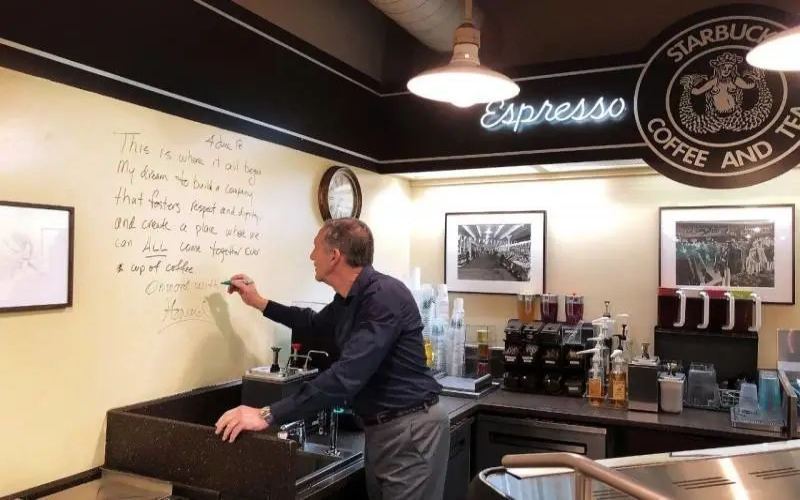
Schultz Takes the Reins at Starbucks Again: Transformation Plan, New Equipment, and Challenges in the Chinese Market
Starbucks founder Howard Schultz has returned as CEO following Kevin Johnson's retirement, facing multiple challenges including the U.S. unionization movement, food safety controversies in the Chinese market, and damage to the brand's image. At the 2022 annual shareholders meeting, Starbucks announced plans for equipment upgrades, beverage innovation, employee pay raises, and store expansion. This article will examine Schultz's transformation strategy after his return, analyze whether he can lead Starbucks out of its difficulties in just half a year, and explore the competitive pressures in the Chinese market. [more…]
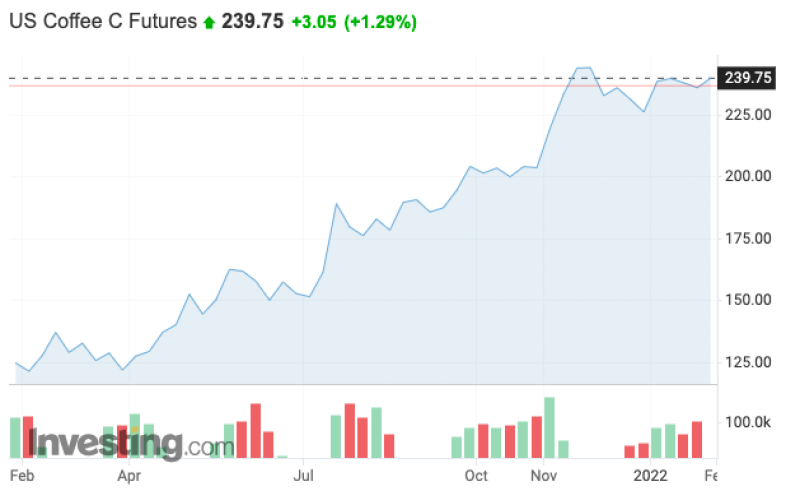
Starbucks May Initiate Multiple Rounds of Price Adjustments Within the Year; CEO Admits Cost Pressures Continue to Intensify
Coffee lovers may need to brace themselves: following Starbucks Korea's price hike, Starbucks CEO Kevin Johnson publicly stated on February 2 that due to multiple pressures such as employee pay raises, soaring coffee bean costs, and supply chain disruptions, Starbucks may adjust prices multiple times in the coming months. Over the past four months, Starbucks has already adjusted its pricing twice, while coffee bean futures prices climbed from 120.2 cents to 239.20 cents over 52 weeks. Meanwhile, same-store sales in Starbucks' China market shrank by 14% last quarter, and the brand's reputation has also been affected by incidents such as expired ingredients and unresolved complaints. Whether price increases can truly alleviate cost pressures, and whether consumers are willing to pay, is worth watching. [more…]
Starbucks divests Evolution Fresh juice business, fully returning to its coffee core track
Starbucks is deeply associated with milk-based coffee drinks like lattes and cappuccinos, but it once also owned a juice brand called Evolution Fresh. Recently, Starbucks officially announced that it would sell the brand to Bolthouse Farms, allowing it to concentrate more resources on growing its coffee beverage business. The deal involves nearly 300 employees and is expected to be completed later this year. From a high-priced acquisition in 2011 to its resale now, the fate of Evolution Fresh reflects Starbucks' strategic swings under different leaders. This article will sort through the ins and outs of this sale, and how Starbucks, after Schultz's return, is refocusing on the U.S. coffee market and responding to the wave of unionization. [more…]
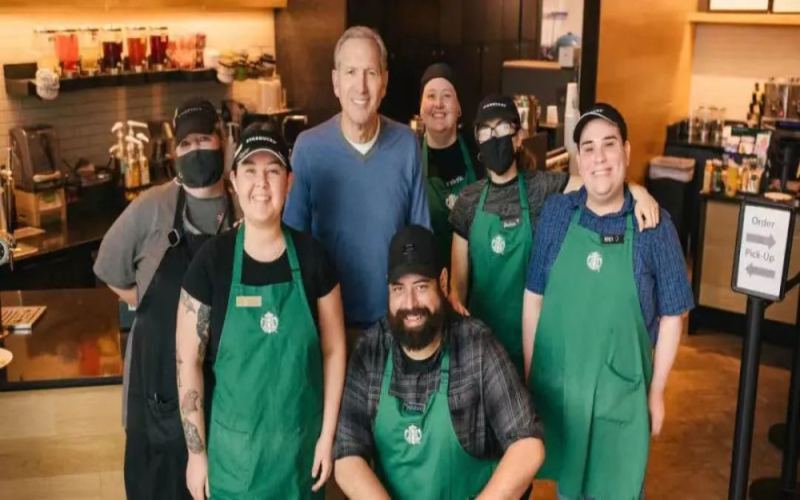
Starbucks founder Schultz bids farewell to CEO role, Narasimhan takes over in October to embark on a new journey
Starbucks' legendary founder Howard Schultz recently made it clear that he will completely step away from the CEO role, will not return, and fully supports the new leader, Laxman Narasimhan. Narasimhan will officially take office on October 1, and he candidly described the process as a "structured immersion" that gave him a valuable learning opportunity. Schultz, meanwhile, will remain on the board and serve as a long-term advisor, helping to safeguard Starbucks' future. At the same time, Starbucks is facing multiple challenges, including rising global costs, a sharp decline in same-store sales in China, and intense competition from local brands. How the new chief will lead the world's largest coffee chain in responding to these changes is worth watching. [more…]

Under the Russia-Ukraine conflict, food and beverage giants such as McDonald's and Starbucks have successively suspended their operations in Russia.
The Russia-Ukraine conflict has triggered a chain reaction among international corporations. Under public pressure, McDonald's was the first to announce the suspension of operations at its 850 stores in Russia, with Starbucks quickly following suit by stating it would pause its business in Russia and shipments of related products. Both giants pledged to continue supporting local employees, but Starbucks' Russian stores are all franchised, accounting for less than 1% of its global revenue. Coca-Cola and PepsiCo also joined the suspension. This article reviews the details of each company's statements and the market impact, and includes a link to Front Street Coffee's professional information portal. [more…]
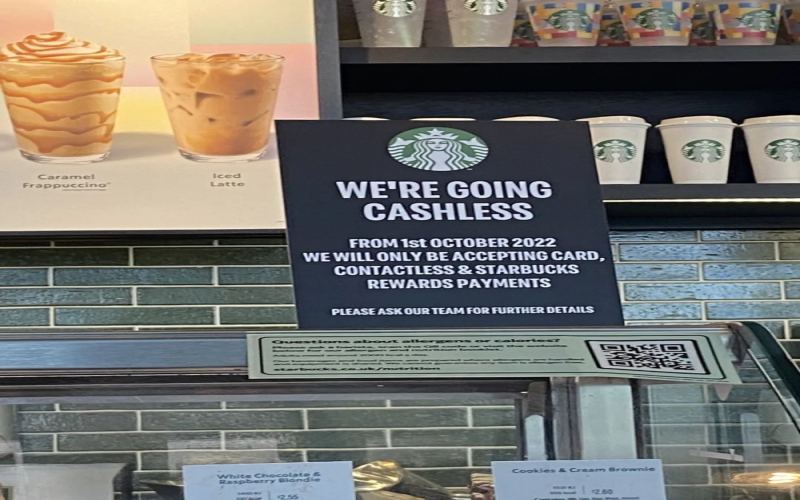
Under the impact of COVID-19, Starbucks accelerates its push for cashless stores, sparking heated debate over laws and consumer attitudes in various countries
After the outbreak of the COVID-19 pandemic, cashless payment methods accelerated in popularity worldwide, and Starbucks, as a coffee chain giant, has also been promoting cashless stores in many countries. From the UK to South Korea and Japan, Starbucks' cashless attempts have triggered polarized reactions among consumers. Some praise electronic payments for being convenient and safe, while others worry about the legality and inclusiveness of refusing cash. At the same time, laws on refusing cash vary from country to country, and China explicitly prohibits merchants from refusing RMB cash. This article will review the progress of Starbucks' cashless stores, consumer attitudes, and related legal disputes, while retaining the relevant recommendation information for Front Street Coffee. [more…]
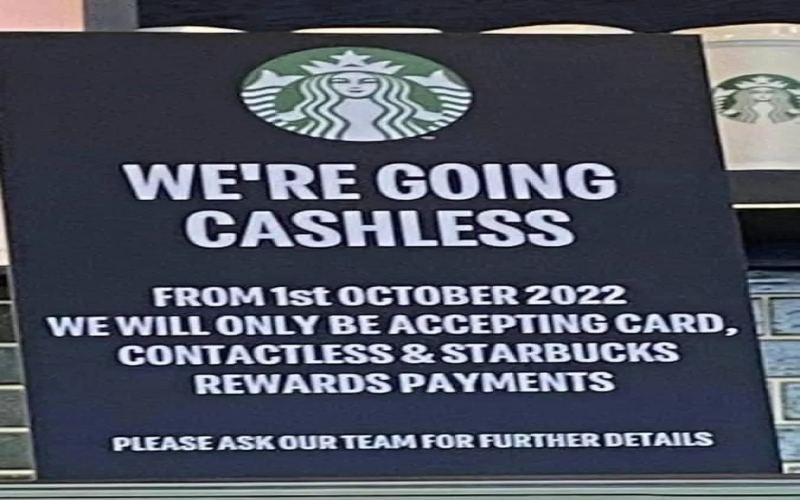
Starbucks Responds to Cashless Store Controversy: It's Just an Autonomous Decision by a Few Franchised Stores
Recently, two Starbucks stores in the UK posted notices stating they would stop accepting cash, sparking heated discussion online. Many people worried that this move deprived consumers of their right to choose, and public opinion quickly escalated. Starbucks UK officially clarified afterwards that these stores are independently operated by licensed partners, and going cashless is not a unified company policy. In fact, Starbucks once tested a cashless model in the US but did not roll it out, and although it encouraged electronic payments during the pandemic, it still emphasized that cash always remains an option. This article will recount the course of the incident and sort out Starbucks' historical stance on payment methods and its future direction. [more…]
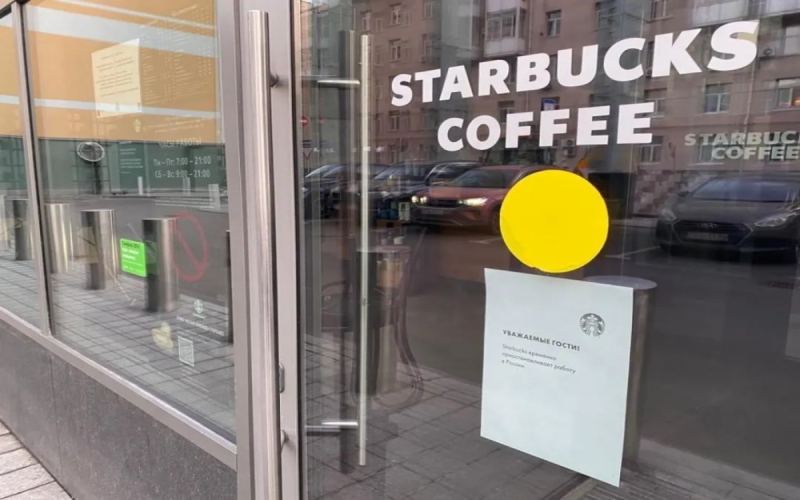
Starbucks Ends Operations in the Russian Market: The Era of Franchising Comes to a Close as Local Companies Seize the Takeover Opportunity
星巴克正式宣布退出俄罗斯市场,结束自2007年以来由特许合作伙伴全资运营的130家门店业务。这一决定紧随麦当劳之后,标志着美国两大餐饮连锁品牌在俄乌冲突背景下全面撤离俄罗斯。星巴克曾承诺将特许权使用费捐赠给乌克兰人道主义事业,并暂停门店运营。与此同时,麦当劳将俄罗斯业务出售给本土特许经营商,保留员工与供应链,但更换品牌继续经营。西方企业大规模撤离之际,俄罗斯本土企业迎来难得的扩张机会,政府也在推进资产破产或国有化进程。 [more…]
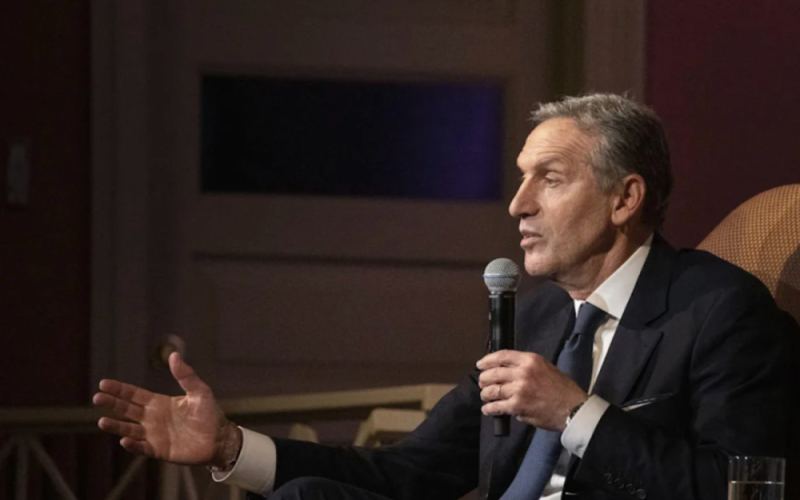
Howard Schultz Slams Former Starbucks Management for Empty Promises, Pushes Internal Reforms After Return
Starbucks interim CEO Howard Schultz recently addressed employees via video, stating bluntly that many short-term decisions made by the previous management brought far-reaching negative impacts to the company and that promises to employees were not fulfilled. He revealed that feedback gathered in recent meetings mainly focused on issues such as insufficient training, unreasonable shift scheduling, and compensation and benefits that urgently need adjustment. At the same time, many stores also face difficulties such as a shortage of repair funds or delayed service after key equipment including ice machines and espresso machines broke down. Schultz promised to prioritize three core issues: personnel training, pay and benefits, and internal management, and assured that future commitments to employees will definitely be fulfilled. Since his return, Starbucks has suspended stock buybacks and fired its former chief legal counsel, but investors worry that profits will be squeezed, and the stock price continues to come under pressure. [more…]
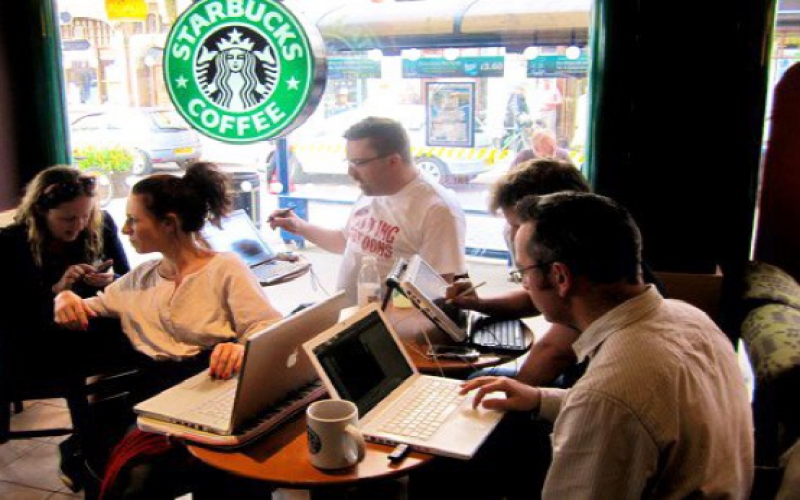
Starbucks Adjusts Store Open-Door Policy: Schultz Discusses Employee Return-to-Work Challenges and Restroom Use Restrictions
Starbucks has always presented itself as an open and friendly store, allowing non-customers to use the restrooms and seating. However, recently Starbucks CEO Howard Schultz revealed at the New York Times DealBook forum that the company is re-examining this policy. Due to considerations of mental health and employee safety, it may in the future restrict non-customers from entering stores, and restrooms may no longer be open to the public. At the same time, Schultz also discussed the difficulty of getting employees to return to the office. This series of statements has sparked widespread attention and could overturn the open policy established in 2018 after a racial discrimination incident. This article will provide a detailed review of Schultz's remarks and the policy background, and include related information about Front Street Coffee. [more…]
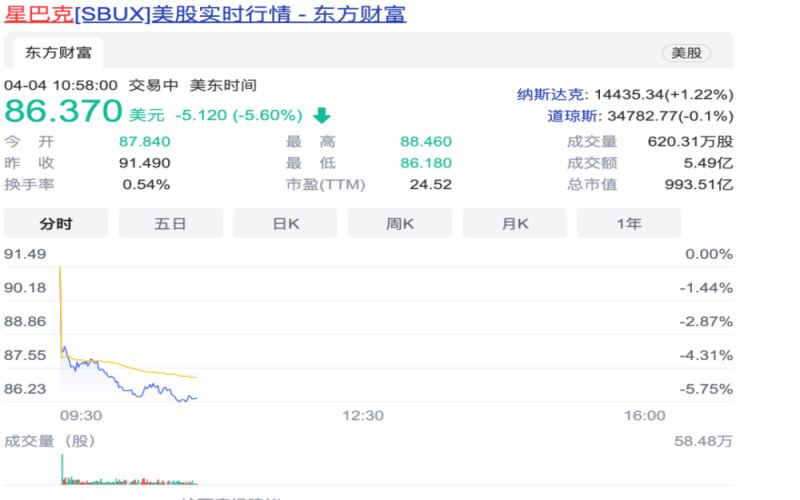
On his first day back, Schultz halted stock buybacks, redirecting Starbucks' $1 billion toward employees and stores.
On his first day back as Starbucks CEO, Howard Schultz announced a pause on the stock buyback program, redirecting funds toward employee benefits and store operations. Behind this decision is a wave of unionization among U.S. Starbucks partners, driven by intense workloads and stagnant benefits. So far, 10 stores have voted to form unions, and more than 170 stores have applied to join. Schultz admitted that the company had let employees down in addressing store operations issues, and plans to invest $1 billion in wages, training, and benefits. This article examines the context of this transformation initiative and its impact on Starbucks' future operations. [more…]

Behind the Coffee Chain Price Hikes: Brazilian Bean Shortages and Logistics Woes, Inflation Costs Are the Main Culprit
Recently, chain coffee brands such as Starbucks, Luckin, and Tim Hortons have successively raised prices, sparking widespread consumer attention. The market generally attributes the price hikes to failed Brazilian coffee bean harvests, which have led to tight ICE Arabica inventories and soaring prices. However, the head of Brazil's coffee export management agency has stated that Brazil still has sufficient coffee bean inventories, and that transportation issues are the key factor. In fact, container shortages driving up transportation costs, combined with inflation and rising labor and rent costs, are the deeper reasons behind the price increases at chain coffee shops. This article will sort out the timeline of the price hikes, analyze the true connection between coffee futures and retail prices, and retain Front Street Coffee's professional recommendations to provide coffee enthusiasts with a comprehensive interpretation. [more…]

Starbucks Russia Business Changes Hands: Pinskiy&Co Completes Acquisition, New Brand's First Store to Debut in August
The fate of Starbucks in Russia has finally been settled. From suspending operations in March of this year to announcing its exit from the market in May, 130 stores were once at a standstill. At the end of July, Russian rapper Timati announced via social media that the local catering company Pinskiy&Co had successfully completed the acquisition of Starbucks' assets in Russia. The new brand name and logo have not yet been determined, but the first store is scheduled to open in August, and the number of stores will exceed 200 by September. What are the details behind this acquisition? How will the new brand make a fresh start? This article takes you through the entire course of events. [more…]
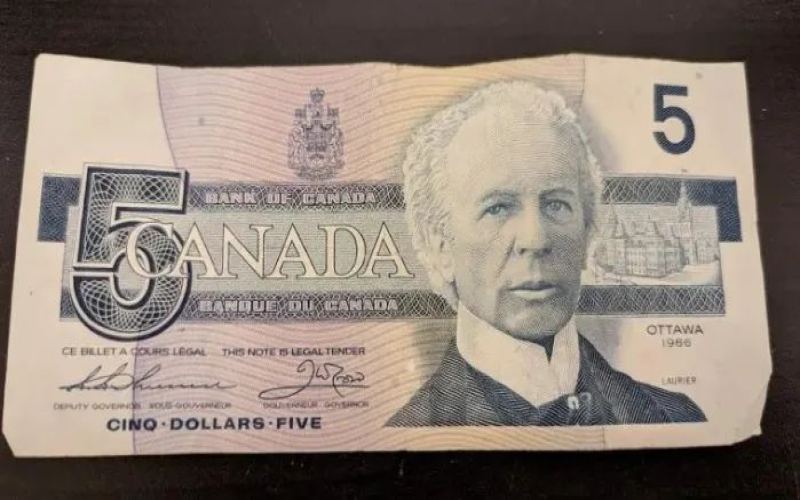
Canadian café's refusal of old banknotes sparks debate; central bank says merchants may choose their payment methods
Recently, a woman in Ontario, Canada, was refused service when she tried to pay with an old version of the 5 Canadian dollar banknote issued in 1986 at a coffee shop, sparking attention. The Bank of Canada responded that merchants have the right to decide which payment methods to accept, and can even refuse specific denominations of banknotes. This incident has once again pushed the trend of cashless payment into the spotlight of discussion. Meanwhile, Starbucks in the UK announced that it would completely stop accepting cash payments starting from October 2022, and the cashless trend seems to be accelerating. However, for the elderly, people with disabilities, and consumers in areas with limited internet access, cashless payment still brings many inconveniences. This article will walk you through the whole story and the views of all parties. [more…]
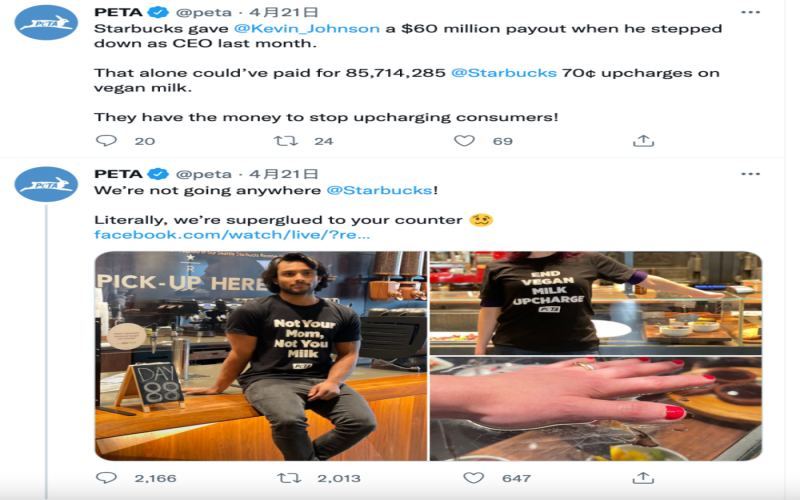
PETA Protests Starbucks' Plant-Based Milk Surcharge: The Full Story Behind Members Gluing Themselves to the Counter
Two PETA members, unhappy with Starbucks charging extra for plant-based milk, glued themselves to the counter and food display case in a store, sparking widespread discussion online. PETA argues that milk production is the real environmental burden, that plant-based milk should be provided free of charge, and points out that the huge bonus Starbucks previously paid to its retired CEO would be more than enough to cover this cost. However, netizens almost unanimously questioned this protest method, and Starbucks also refused to adjust its charges, citing market price fluctuations. Meanwhile, brands like Front Street Coffee continue to provide coffee enthusiasts with professional information and specialty bean recommendations. [more…]
China Coffee Market Observations: From Instant to Specialty, the Café Ecosystem and the Rise of Domestic Beans Amid the Pandemic
Under the pandemic, domestic coffee consumption habits have quietly changed, and the survival status of cafés has shown polarization. On one hand, chain brands are accelerating their expansion and staking out territory; on the other, independent shops are retaining loyal customers through distinctive flavors. From an average of 3 cups per person per year to the growth of the middle class, from the leap in the quality of Yunnan beans to meticulous experiments with processing methods, Chinese coffee is undergoing a critical period from quantitative change to qualitative change. This article sorts through market data, brand trends, and progress in producing areas, while also comparing the evolution path of coffee in Taiwan, and brings product recommendations from Front Street Coffee, presenting a complete industry picture for enthusiasts. [more…]
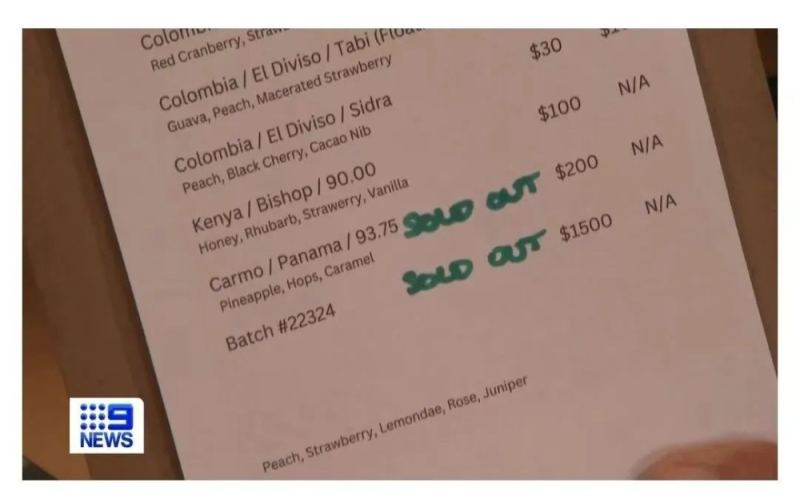
A Sydney café launches a reservation-only pour-over priced at nearly 7,000 yuan per cup, and the owner says some customers were moved to tears after drinking it.
How expensive can a cup of pour-over coffee get? The Brew Lab Cafe in Penrith, in Sydney's western suburbs, has given a jaw-dropping answer: 1,500 Australian dollars, equivalent to nearly 7,000 yuan, and it must be booked two weeks in advance. This coffee uses a single-origin bean from Batch #22324 produced by Ninety Plus, grown at the foot of the Silla De Pando volcano in Panama at an altitude of about 1,700 meters, with a cupping score of over 90 points and flavors encompassing peach, strawberry, lemonade, rose, and juniper. Owner Mitchell Johnson defines it as an experience, and revealed that some customers were moved to tears after tasting it. At the same time, the shop also offers specialty single-origin coffees priced between 100 and 200 Australian dollars for enthusiasts with limited budgets. [more…]
Ethiopian Aricha Natural Coffee Beans: A Complete Analysis of the 23-Variety Blend and Honey B Processing Method Flavors
Aricha coffee beans from the Yirgacheffe region of Ethiopia, with a wild mix of as many as 23 varieties and a unique Honey B processing method, have become one of the most stunning coffees in recent years. It is harvested from native forests at an altitude above 1,850 meters, and because it cannot be named after a single estate, it continues to use the harvesting location name Aricha. Natural sun-drying allows the berry sugars and flavors to fully transfer into the green beans, bringing juicy acidity and floral honey sweetness. Front Street Yirgacheffe Aricha has received high scores from several American roasters on Coffee Review. This article will comprehensively analyze its varieties, processing method, and brewing suggestions, taking you to understand the unique charm of this fruit bomb. [more…]
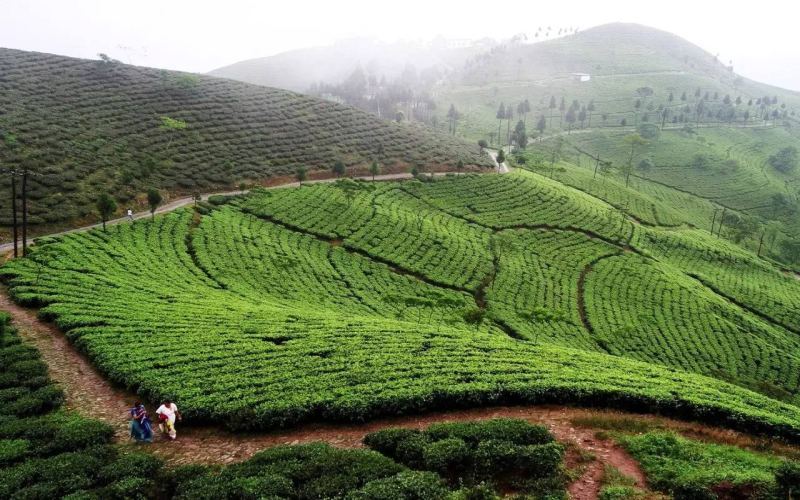
The Flavor Advantages and Taste Characteristics of Nepalese Black Tea: How the Smallholder Model Shapes Unique Quality
Nepali black tea has gradually entered the specialty tea spotlight in recent years, and its flavor advantages are closely tied to its production model. Unlike fully owned estates in Darjeeling, Nepali tea is mostly grown by independent smallholders and then sold to factories for processing. Although this dispersed structure brings quality fluctuations, it also fosters room for innovation. Nepali tea traders import small batches from Ilam factories, and the spring pekoe even shows a unique flavor reminiscent of buttery sweet corn. Some practitioners believe that smallholders treat the tea trees as their own, and this is precisely the source of quality potential. At the same time, the social enterprise model is attempting to balance industrial upgrading with rural livelihoods. Front Street Coffee continues to follow developments in such producing regions, helping enthusiasts understand the taste characteristics and market prospects of Nepali black tea. [more…]